
Hearing Loss Cognitive Health Treatment in Lady Lake, FL
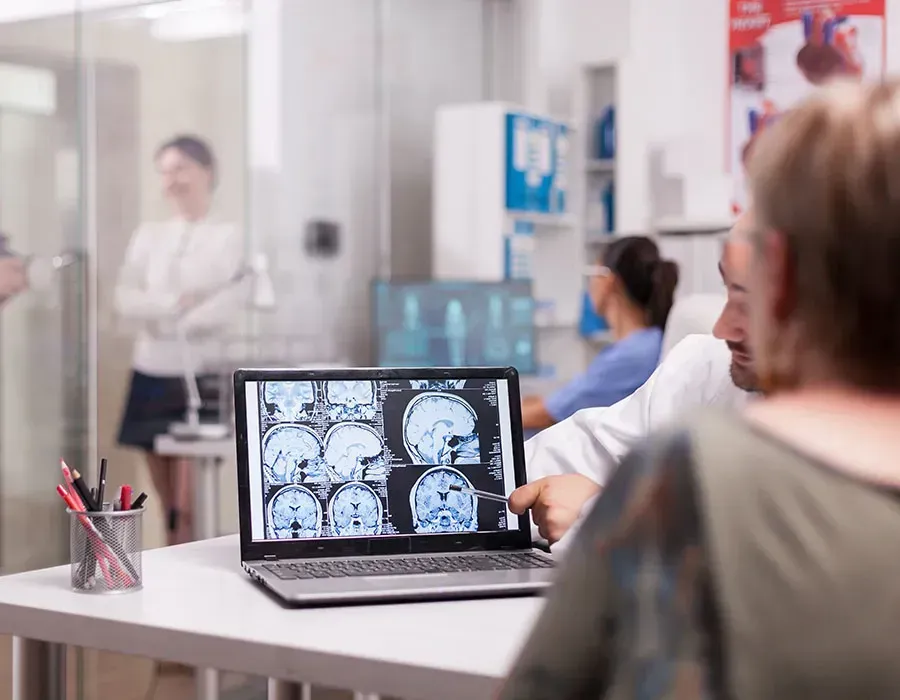
Most people think of hearing loss as an ear problem. In reality, we hear with the brain, not just the ears. When the auditory system is not receiving clear, consistent input, the brain works harder to fill in the gaps, placing a heavy cognitive load on the frontal lobe, which is the very area where dementia forms. At Hearing in Paradise in Lady Lake, FL, Sylvia J. Horgan has brought over 40 years of experience to a treatment model built around one core belief: protecting your hearing is protecting your brain.
Why It Matters
The Direct Link Between Brain Health and Hearing
Research aligned with Dr. Keith Darrow's clinical work confirms what neurological audiology has long suggested: untreated hearing loss accelerates atrophy in the frontal lobe. When the auditory cortex is starved of stimulation, the brain loses its ability to process sound efficiently over time. This is the "use it or lose it" principle applied to your most vital organ. The good news is that consistent, properly fitted hearing treatment can reduce the risk of cognitive decline by 30% to 40%. That is not a minor benefit. That is a life-changing outcome, and it is exactly what the treatment plans at Hearing in Paradise are designed to deliver for patients across The Villages, Lady Lake, Wildwood, Leesburg, and Fruitland Park.


The Five Dangerous Words
Why Waiting Is the Biggest Risk to Your Cognitive Health
The most common barrier to treatment is not cost or technology. It is those five dangerous words: "Maybe it will go away." Every month of untreated hearing loss is a month the brain is working overtime, pulling resources away from memory, focus, and reasoning just to decode conversations. Processing bottlenecks between the ears and the brain's auditory cortex build quietly over time. By the time a patient notices real difficulty, the cognitive load has already been accumulating for years. Hearing in Paradise was founded specifically to interrupt that cycle, offering a medical treatment model rather than a one-time product sale. The goal is long-term auditory health and cognitive preservation, not simply turning up the volume.
How We Help
A Treatment Plan Built Around Your Brain, Not Just Your Ears
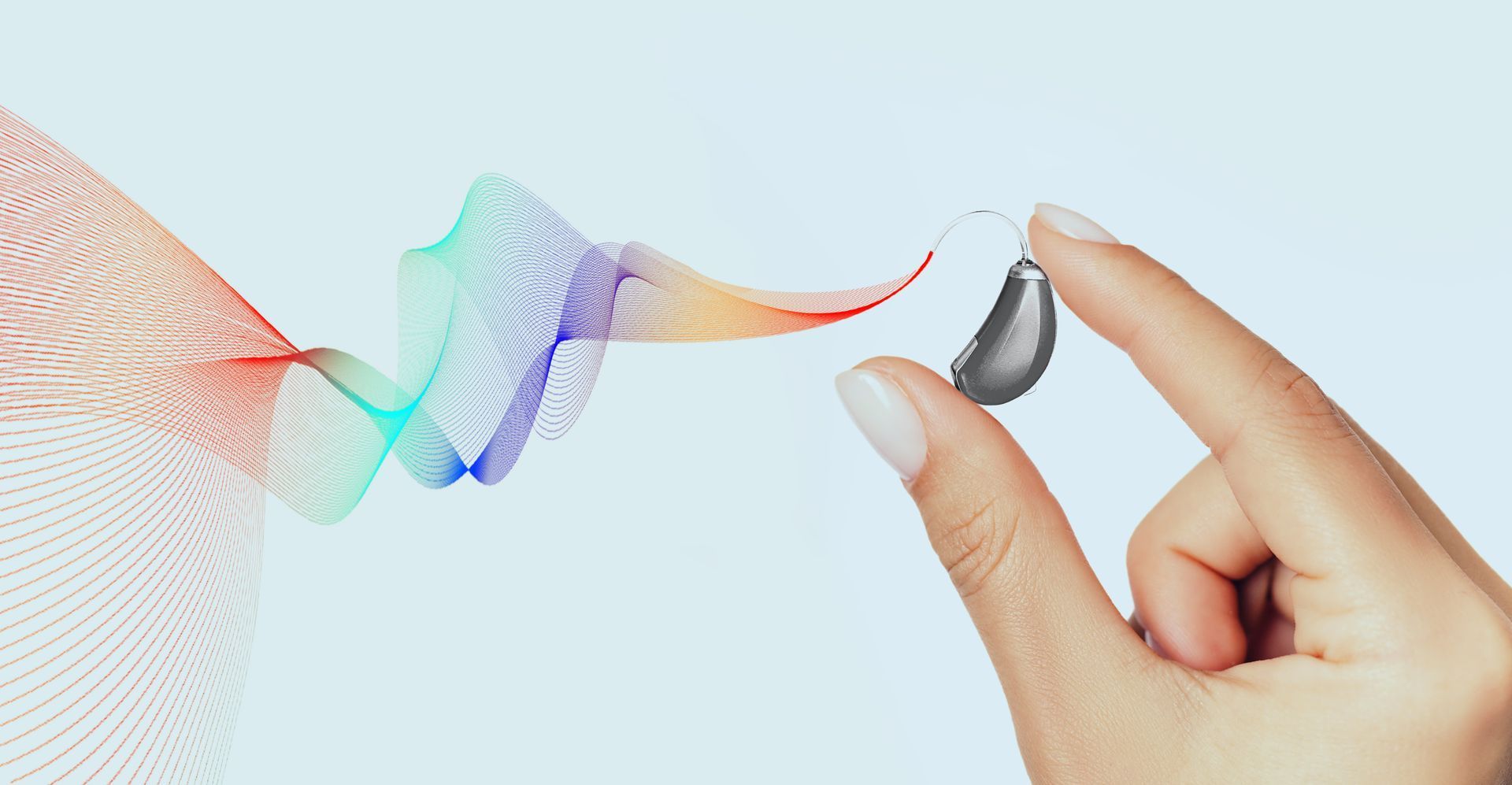
The cognitive benefits of hearing treatment at Hearing in Paradise go well beyond a standard fitting appointment. Every patient receives a personalized Medical Treatment Plan that combines prescriptive-fit Widex hearing technology, custom ear molds clinically shown to improve speech understanding in noise by 25% to 40%, and Lace AI Pro auditory rehabilitation training. Lace AI Pro includes 13-minute daily exercises that produce a 6% improvement in speech-in-noise comprehension, an 11% improvement in working memory, and enhanced rapid speech processing. These are measurable, documented outcomes that reflect a genuine investment in your long-term brain health and hearing. Sylvia works exclusively with Widex technology because of its clinical reliability and its superior active tinnitus-mitigation features, which directly reduce the cognitive burden of persistent ringing.
What Makes This Different
Specialized Neurological Audiology, Not a Retail Experience
Corporate hearing centers are built around volume. Hearing in Paradise is built around outcomes. Sylvia Horgan is board certified and state licensed with over 40 years of private practice experience, and she approaches every patient as a long-term partner in cognitive wellness, not as a unit of sales. The practice offers advanced diagnostic tools including OAE (Otoacoustic Emissions) testing, a precision evaluation offered by only about 10% of practices, which identifies hidden hearing drops and high-frequency spikes that standard sound booth tests routinely miss. These are the kinds of gaps that quietly accelerate cognitive load without ever triggering a flag on a basic hearing exam. For active seniors across The Villages and surrounding communities, this level of clinical depth is not a luxury. It is the standard of care you deserve.
Your Questions, Answered
Common Questions About Hearing and Brain Health
How does untreated hearing loss increase the risk of dementia?
When the auditory system is not receiving clear sound input, the brain compensates by redirecting cognitive resources to decode speech and fill in missing information. This places a sustained load on the frontal lobe, the region most associated with memory and reasoning, and where dementia is known to form. Over time, the lack of auditory stimulation can cause the auditory cortex to atrophy. Clinical research, including work aligned with Dr. Keith Darrow's findings, indicates that proper hearing treatment can reduce the risk of cognitive decline by 30% to 40%.What does cognitive load mean, and why does it matter for my hearing health?
Cognitive load refers to the mental effort your brain expends to process information. When hearing is impaired, the brain works significantly harder to interpret speech, especially in noisy environments. That extra effort pulls resources away from memory, focus, and reasoning. Over time, this constant strain contributes to mental fatigue and can accelerate cognitive decline. Reducing cognitive load through a properly fitted, prescriptive hearing treatment plan is one of the primary goals of the care provided at Hearing in Paradise in Lady Lake, FL.What is typically included in a personalized treatment plan at Hearing in Paradise?
Each plan is personalized and typically includes a comprehensive diagnostic evaluation, prescriptive-fit Widex hearing technology, custom ear molds that improve speech understanding in noise by 25% to 40% compared to standard domes, and enrollment in Lace AI Pro auditory rehabilitation training. Lace AI Pro involves 13-minute daily exercises shown to improve speech-in-noise comprehension by 6% and working memory by 11%. The plan is designed as an ongoing medical process rather than a one-time product purchase, with long-term brain health as the central goal.Why does Hearing in Paradise fit patients with Widex technology exclusively?
Sylvia Horgan fits exclusively with Widex because of its clinical reliability and its superior active tinnitus-mitigation features. In high-volume retail environments, patients often cycle through multiple brands due to breakdowns and repairs. By focusing solely on Widex, the practice reduces that cycle and ensures consistent, dependable performance. Widex technology is also well-suited to the brain-first treatment model, as its sound processing is designed to support natural auditory cortex function rather than simply amplifying sound.I passed a standard hearing test but still struggle to understand speech. Could I still have a hearing issue?
Yes, this is more common than most people realize. Standard sound booth tests can miss high-frequency spikes and hidden hearing drops that significantly affect speech clarity, particularly in noisy settings. Hearing in Paradise offers OAE (Otoacoustic Emissions) testing, a precision diagnostic that measures cochlear hair cell function and identifies these gaps. Only about 10% of audiology practices offer OAE testing for adults, making it a meaningful differentiator for patients who have been told their hearing is normal but continue to struggle with processing speech.What is Lace AI Pro, and how does it support long-term brain health?
Lace AI Pro is an auditory rehabilitation app included as a standard component of treatment plans at Hearing in Paradise. It delivers 13-minute daily training exercises that target the brain's ability to process sound, not just the ears. Documented outcomes include a 6% improvement in speech-in-noise comprehension, an 11% improvement in working memory, and enhanced rapid speech processing. By actively training the auditory cortex, Lace AI Pro supports the brain-first model of care and helps patients maintain cognitive function over time.Does Hearing in Paradise bill insurance for treatment plans?
Hearing in Paradise operates on a private pay model. Sylvia does not bill insurance directly, but the practice provides all necessary documentation so patients can seek reimbursement from their insurance provider on their own. This approach allows the practice to focus entirely on patient outcomes rather than insurance-driven metrics, ensuring that every treatment decision is made in the patient's best interest rather than based on what a carrier will approve.
Who is a good candidate for a brain health hearing treatment plan?
Any adult aged 18 or older experiencing difficulty understanding speech, noticing mental fatigue after conversations, or concerned about the long-term cognitive effects of hearing loss may benefit from a treatment plan. The practice also serves patients with tinnitus, musicians and pilots requiring high-precision auditory care, and family members managing a loved one who has hearing aids but does not wear them. The active senior community across The Villages, Lady Lake, Leesburg, Wildwood, and Fruitland Park represents the core patient base.