
Auditory Rehabilitation Therapy in Lady Lake, FL
Hearing aids are only one part of the picture. For many patients in The Villages, Lady Lake, and the surrounding communities, the real challenge is not just detecting sound, it is training the brain to process it clearly. Our auditory rehabilitation therapy program is built on the understanding that we hear with the brain, not just the ears. Through structured listening skills development and auditory training tools like Lace AI Pro, we help patients rebuild the neural pathways that make speech in noise, rapid conversation, and everyday listening feel manageable again.
Why Rehabilitation Matters
Your Brain Needs Training, Not Just a Device
When hearing loss goes unaddressed for months or years, the auditory cortex begins to lose its ability to interpret sound efficiently. This creates processing bottlenecks between the ears and the brain that a hearing aid alone cannot fully correct. A hearing rehabilitation program works alongside your prescriptive fitting to actively re-engage the brain's listening centers. At Hearing in Paradise, auditory training is not an add-on. It is a core part of every treatment plan, because restoring confident hearing means restoring the brain's capacity to process what it hears.
The Lace AI Pro Difference
A Clinically Supported Auditory Training Tool
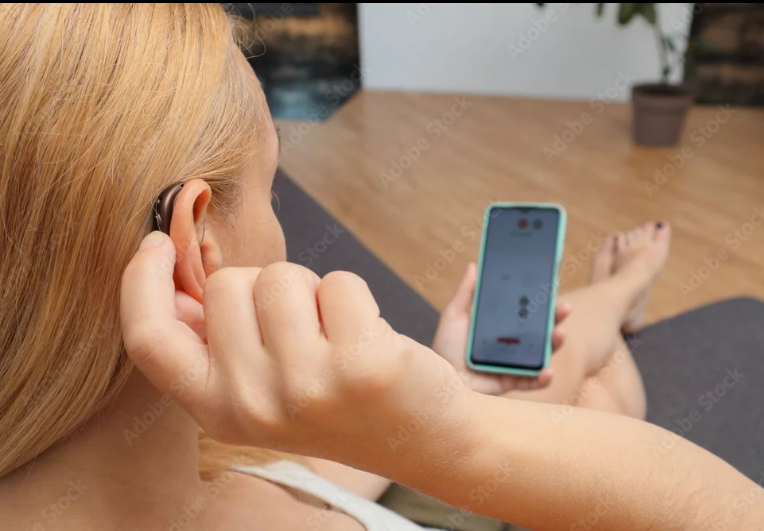
Lace AI Pro is an auditory training application included as a standard component of treatment plans at Hearing in Paradise. Through short, focused 13-minute exercises, patients work on the specific cognitive skills that untreated hearing loss erodes over time. Clinical data supports a 6% improvement in speech-in-noise comprehension, an 11% improvement in working memory, and measurable gains in lip-reading and rapid speech processing. These are not passive benefits. They are the result of consistent, structured listening skills development that reinforces what your prescriptive hearing aids are doing in the real world. Patients across The Villages, Leesburg, Wildwood, and Fruitland Park use this tool as part of their ongoing hearing adjustment therapy between appointments.
The Brain Health Connection
Reducing Cognitive Load Through Consistent Auditory Care
Untreated hearing loss forces the frontal lobe to work harder to fill in the gaps of unclear speech. Over time, this cognitive load contributes to fatigue, social withdrawal, and an elevated risk of frontal lobe atrophy, the same region where dementia develops. Research aligned with Dr. Keith Darrow's work shows that proper, consistent hearing treatment is associated with a 30% to 40% lower risk of cognitive decline. Auditory rehabilitation therapy directly supports this outcome by keeping the brain actively engaged with sound. The goal at Hearing in Paradise is not simply better hearing. It is protecting the long-term cognitive independence that patients in Lady Lake and The Villages have worked their whole lives to maintain.

Every patient who comes through Hearing in Paradise receives a comprehensive medical treatment plan, not a one-time product sale. Auditory rehabilitation is woven into that plan from the beginning. After your diagnostic evaluation and prescriptive fitting, Sylvia J. Horgan will walk you through how to use Lace AI Pro as part of your daily routine, explain what improvements to expect and when, and monitor your progress across follow-up appointments. This is a continuous medical process guided by over 40 years of board-certified private practice experience. Whether you are managing tinnitus, recovering from years of unaddressed hearing loss, or simply working to stay sharp and socially connected, the hearing rehabilitation program at Hearing in Paradise is designed to meet you where you are and keep you moving forward.

What to Expect
A Hearing Rehabilitation Program Built Around You
Every patient who comes through Hearing in Paradise receives a comprehensive medical treatment plan, not a one-time product sale. Auditory rehabilitation is woven into that plan from the beginning. After your diagnostic evaluation and prescriptive fitting, Sylvia J. Horgan will walk you through how to use Lace AI Pro as part of your daily routine, explain what improvements to expect and when, and monitor your progress across follow-up appointments. This is a continuous medical process guided by over 40 years of board-certified private practice experience. Whether you are managing tinnitus, recovering from years of unaddressed hearing loss, or simply working to stay sharp and socially connected, the hearing rehabilitation program at Hearing in Paradise is designed to meet you where you are and keep you moving forward.
Your Questions, Answered
Common Questions About Auditory Rehabilitation
What is auditory rehabilitation therapy and who is it for?
Auditory rehabilitation therapy is a structured program designed to help the brain relearn how to process sound more efficiently. It is especially helpful for adults who have experienced hearing loss for an extended period, since the brain's auditory pathways can weaken when they are not receiving clear input. At Hearing in Paradise, this therapy is appropriate for any patient aged 18 and older working through a treatment plan, including those managing tinnitus, those newly fitted with hearing aids, and those who have noticed difficulty following conversations in noisy environments.Is auditory rehabilitation the same thing as wearing a hearing aid?
No, they work together but serve different purposes. A prescriptive hearing aid restores access to sound by amplifying and shaping audio to match your specific hearing profile. Auditory rehabilitation therapy trains the brain to interpret that sound more accurately. Think of the hearing aid as restoring the signal and rehabilitation as improving the brain's ability to decode it. At Hearing in Paradise, both are included as part of a complete medical treatment plan, because one without the other often leaves patients still struggling in noisy or complex listening situations.What is Lace AI Pro and how does it fit into a treatment plan?
Lace AI Pro is an auditory training application included as a standard part of treatment plans at Hearing in Paradise. It uses short 13-minute daily exercises to build specific listening skills that hearing loss tends to erode over time, such as understanding speech in noisy environments, processing rapid speech, and retaining verbal information. Clinical outcomes include a 6% improvement in speech-in-noise comprehension and an 11% improvement in working memory. Sylvia will walk each patient through how to use the app and what to expect as part of the ongoing care process.How does consistent auditory training relate to the risk of cognitive decline?
When hearing loss goes untreated, the frontal lobe is forced to work harder to fill in gaps in unclear speech. This ongoing cognitive load accelerates fatigue and, over time, contributes to atrophy in the region where dementia develops. Research aligned with Dr. Keith Darrow's work indicates that consistent, proper hearing treatment is associated with a 30% to 40% lower risk of cognitive decline. Auditory rehabilitation therapy supports this outcome by keeping the brain actively engaged with sound rather than allowing those pathways to go dormant.Can I do auditory training at home, or do I need to come into the office?
Most of the day-to-day auditory training through Lace AI Pro is completed at home, which makes it practical for patients across The Villages, Leesburg, Wildwood, and Fruitland Park. The app is designed for independent use between appointments. However, Sylvia will review your progress during follow-up visits and adjust your overall treatment plan as needed. Hearing in Paradise also supports patients who may have difficulty traveling, making the remote component of the program a meaningful part of the overall care model.How long does it take to notice results from a hearing rehabilitation program?
Results vary depending on the degree of hearing loss, how long it went unaddressed, and how consistently the patient engages with the program. Many patients notice improvements in speech clarity and listening comfort within the first few weeks of consistent use alongside their prescriptive hearing aids. The 6% speech-in-noise improvement and 11% working memory improvement associated with Lace AI Pro reflect averages across a broader population, so individual outcomes may be faster or more gradual. Sylvia monitors each patient's progress over time and adjusts the treatment plan accordingly.Does Hearing in Paradise accept insurance for auditory rehabilitation services?
Hearing in Paradise operates on a private pay model. Patients pay directly for their care and receive all necessary documentation to seek reimbursement from their insurance provider. This approach allows Sylvia to focus entirely on clinical outcomes rather than administrative timelines or insurance-driven treatment decisions. Patients are encouraged to check their benefits in advance, and the practice is happy to provide the paperwork needed to support a reimbursement claim. This model ensures that care decisions are always made in the patient's best interest.